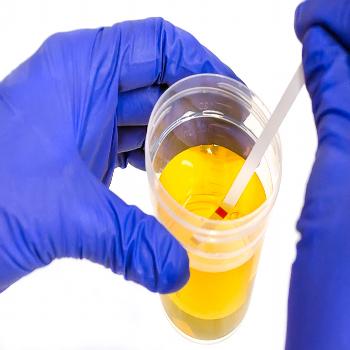
The EtG Alcohol Test (Urine) includes the following key features:
Purpose: This test identifies the presence of Ethyl Glucuronide (EtG) in urine, providing a specific indicator of recent alcohol consumption.
Detection Window: EtG can be detected in urine for up to 80 hours after consuming alcohol, making this test suitable for monitoring recent use.
Testing Process: The test consists of a routine screening for EtG, followed by any necessary confirmation testing to validate positive results.
Evidence of Use: A confirmed positive result for EtG is considered evidence of alcohol consumption during the detection window.
This EtG Alcohol Test (Urine) is ideal for employers, rehabilitation programs, and organizations aiming to monitor alcohol consumption effectively and ensure compliance with workplace or recovery standards.
Why would I need this test?
The ETG Urine Alcohol Test is used to detect recent alcohol consumption by measuring the presence of Ethyl Glucuronide (ETG), a metabolite of alcohol. It is commonly used for:
Court-ordered or legal testing, such as probation, custody disputes, or DUI monitoring.
Rehabilitation or treatment programs to verify abstinence from alcohol and monitor recovery progress.
Workplace testing for roles with strict alcohol-free policies or post-accident and reasonable suspicion scenarios.
Random or routine testing as part of a company’s substance use policy or monitoring program.
Pre-employment or return-to-duty testing for jobs that require alcohol-free compliance.
The ETG Urine Test can detect alcohol consumption even after the alcohol itself is no longer present in the bloodstream, making it a reliable option for monitoring recent alcohol use.
How far back can this test detect alcohol use?
The ETG Urine Test can detect alcohol use for up to 80 hours after the last drink, depending on several factors, including the individual’s metabolism, the amount of alcohol consumed, and the frequency of use. It is more sensitive than standard breath or blood alcohol tests and can detect alcohol consumption over a longer period.
Will over-the-counter products or medications affect the test results?
Yes, certain products containing alcohol may potentially cause a positive result in an ETG test. These can include:
Mouthwash, hand sanitizers, and certain hygiene products with alcohol content.
Cough syrups or other medications containing alcohol.
Foods or beverages containing alcohol, such as sauces or fermented foods.
To avoid false positives, it’s important to disclose the use of such products before taking the test. You may also want to avoid using alcohol-containing products in the days leading up to the test if possible.
How is the test conducted?
The ETG Urine Test is a simple and non-invasive procedure:
You will be asked to provide a urine sample in a sterile container, usually in a private restroom at the testing facility.
The sample is then sent to a laboratory where it is analyzed specifically for ETG, a metabolite indicating alcohol consumption.
The process takes just a few minutes for sample collection.