Purpose:
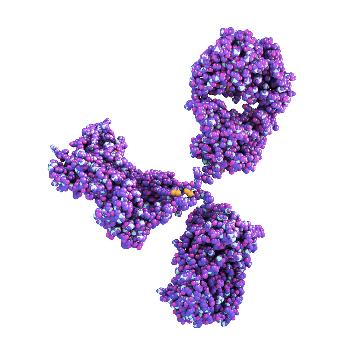
- To identify whether an individual has been exposed to the hepatitis C virus (HCV) in the past by detecting specific antibodies produced by the immune system.
Test Results:
- Positive Result: Indicates that the body has been exposed to HCV and antibodies have formed. However, this result does not confirm a current infection.
- Negative Result: Suggests that the individual has not been infected with HCV.
Follow-Up Testing:
- If the antibody test is positive, a follow-up test called the NAT (Nucleic Acid Test) for HCV RNA is usually ordered to assess current infection status.
- Negative NAT Result: Indicates that the individual was previously infected but is no longer infected.
- Positive NAT Result: Confirms a current active infection.
At-Risk Populations:
- Individuals at higher risk for HCV infection include:
- People who inject drugs or share needles.
- Individuals who have undergone long-term kidney dialysis.
- Those who engage in unprotected sex with someone infected with HCV.
- Infants born to mothers with HCV.
- Individuals who have received tattoos or acupuncture with unsterilized equipment.
- Recipients of organ transplants from HCV-positive donors.
Testing Recommendations:
- The CDC recommends that everyone over the age of 18 be tested for HCV at least once in their lifetime, particularly if they fall into at-risk categories.
This test plays a crucial role in identifying past infections and guiding further evaluation and treatment for hepatitis C, ensuring effective management of the disease.
Why would I need the HCV Antibody Test?
This test is recommended for several reasons:
Screening for HCV infection: To check for hepatitis C infection, especially if you have risk factors such as a history of intravenous drug use, a blood transfusion before 1992, or contact with someone infected with HCV.
Routine check for at-risk individuals: Healthcare workers, people on hemodialysis, and individuals with HIV are often screened for hepatitis C.
Evaluation of symptoms: If you have symptoms such as fatigue, jaundice, abdominal pain, or elevated liver enzymes, the test may help determine if hepatitis C is the cause.
Pregnancy screening: Pregnant women may be screened for hepatitis C to prevent transmission to the baby.
Follow-up testing: This is done for individuals previously diagnosed with hepatitis C to confirm whether they still carry the virus or have cleared the infection.
What do the results of the HCV Antibody Test indicate?
Negative result:
No antibodies against HCV were detected, suggesting you have not been exposed to the virus. However, if you were recently exposed, antibodies may take 6-12 weeks to develop. Your healthcare provider may recommend repeat testing if recent exposure is suspected.
Positive result:
This indicates that antibodies against HCV are present, meaning you have been exposed to the virus at some point. However, this does not confirm if the infection is still active. A positive result will require further testing, such as an HCV RNA test, to determine if there is an active infection.
What is the difference between Hepatitis C Virus (HCV) Antibody Test and Hepatitis C Virus (HCV) RNA Test?
The HCV Antibody Test is the first step in checking for exposure to hepatitis C. It indicates whether the immune system has ever encountered the virus but does not confirm whether the infection is active.
The HCV RNA Test is the follow-up test used to detect the actual virus and confirm whether there is an active infection. It also measures the viral load, helping to guide treatment decisions and monitor progress.
In conclusion, while the HCV Antibody Test is used for initial screening, the HCV RNA Test provides definitive information about the presence of an active infection and the viral load, making it critical for diagnosis and management.