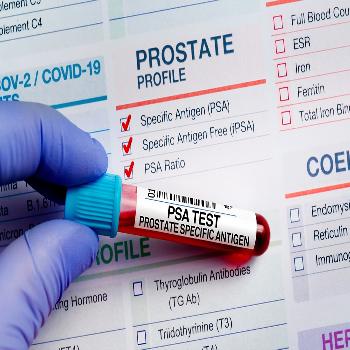
This test serves as an important tool in monitoring prostate health and guiding further diagnostic evaluation.
Why would I need the PSA Test?
This test is recommended for several reasons:
Prostate cancer screening: For men over the age of 50 or those with a higher risk (e.g., family history of prostate cancer or African American men), the PSA test may be used as a screening tool.
Monitoring prostate health: If you have been diagnosed with prostate conditions like BPH or prostatitis, the PSA test can help monitor the status and effectiveness of treatment.
Post-treatment monitoring: For individuals who have undergone treatment for prostate cancer (e.g., surgery, radiation, or hormone therapy), the PSA test is used to track recovery and detect any signs of recurrence.
Symptom evaluation: If you experience symptoms such as difficulty urinating, frequent urination, or pain during urination, the PSA test may help identify underlying prostate issues.
How do I prepare for the PSA Test?
Preparation for the test involves:
Avoid ejaculation: Refrain from ejaculation for 24–48 hours before the test, as it can temporarily increase PSA levels.
Avoid vigorous physical activity: Avoid activities that pressure the prostate, such as cycling, for 24–48 hours before the test.
What do the results of the PSA Test indicate?
PSA levels are expressed in ng/mL, and the interpretation may vary based on your age, risk factors, and overall health:
Normal range:
Men under 50: PSA level < 2.5 ng/mL.
Men aged 50–59: PSA level < 3.5 ng/mL.
Men aged 60–69: PSA level < 4.5 ng/mL.
Men aged 70 and older: PSA level < 6.5 ng/mL.
Elevated PSA:
PSA levels above the normal range may indicate prostate cancer but could also be due to benign conditions like BPH or prostatitis.
Very high PSA:
A significantly elevated PSA level (e.g., 10 ng/mL or higher) increases the suspicion of prostate cancer, and further diagnostic testing, such as a prostate biopsy, may be recommended.