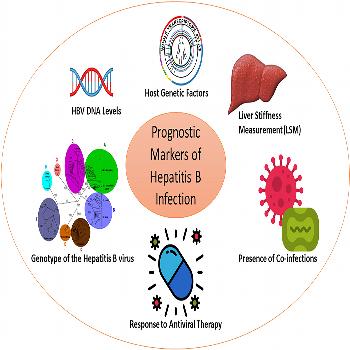
This test is essential for understanding an individual's HBV infection status and guiding appropriate medical management.
Why would I need the Hepatitis B Core Antibody IgG, IgM, Differentiation Test?
This test is recommended for several reasons:
To diagnose hepatitis B: It helps determine if a person has a recent (acute), chronic, or past infection that is now resolved.
Monitor the stage of infection: Differentiating between IgM and IgG antibodies can show if the infection is still active or if the person has developed long-term immunity after a past infection.
Identify carriers: It helps identify people with chronic hepatitis B who may be asymptomatic virus carriers.
Assess infection risk: In cases where hepatitis B surface antigen (HBsAg) and other tests are inconclusive, the core antibody test can provide additional insights into the infection's status.
What do the results of the Hepatitis B Core Antibody IgG, IgM, Differentiation Test indicate?
The results are reported based on the presence or absence of IgM and IgG antibodies:
IgM anti-HBc Positive:
Indicates a recent or acute hepatitis B infection. IgM antibodies typically appear shortly after exposure to the virus and suggest the infection is in its early or active stages.
IgG anti-HBc Positive (with IgM negative):
Indicates a past infection or chronic hepatitis B. IgG antibodies remain in the blood for life after an infection, even if the person has recovered. A positive IgG result alone may indicate either recovery from past or chronic disease.
IgM and IgG Negative:
Suggests no current or past hepatitis B infection. If there are concerns about recent exposure, other tests (e.g., hepatitis B surface antigen, HBsAg) may be recommended to confirm the status.
What is the difference between the Hepatitis B Surface Antibody Quantitative Test and Hepatitis B Core Antibody IgG, IgM, Differentiation Test?
The Hepatitis B Surface Antibody Quantitative Test is used primarily for immunity assessment. In contrast, the Hepatitis B Core Antibody IgG, IgM, and Differentiation Test are used to diagnose and understand the stage of a hepatitis B infection.