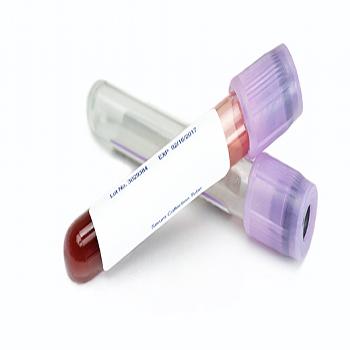
This test is vital for individuals at risk of HBV exposure and aids healthcare providers in making informed decisions regarding vaccination and further monitoring.
Why would I need the Hepatitis B Surface Antibody Quantitative Test?
This test is recommended for several reasons:
To verify immunity: If you have been vaccinated against hepatitis B, this test confirms whether you have developed adequate immunity.
Post-infection immunity: If you have recovered from a past hepatitis B infection, this test helps determine if you have developed antibodies that offer long-term protection.
Healthcare and occupational requirements: Many healthcare facilities and employers require proof of hepatitis B immunity, especially for those at risk of blood or bodily fluids exposure.
Pre- and post-vaccination screening: This test checks whether you need a hepatitis B vaccine or booster based on your current antibody levels.
Monitoring immunity: Periodic testing may be done to ensure adequate protective antibody levels remain for individuals who are immunocompromised or at high risk of exposure.
What do the results of the Hepatitis B Surface Antibody Quantitative Test indicate?
The results are expressed in mIU/mL and are interpreted as follows:
< 10 mIU/mL: Indicates no immunity or insufficient immunity to hepatitis B. If your level is below this threshold, you may need a hepatitis B vaccine or booster to develop or enhance immunity.
≥ 10 mIU/mL: Indicates adequate immunity to hepatitis B, suggesting that you are protected from previous vaccination or recovery from past infection.
Very high levels: Very high antibody levels are considered protective and indicate strong immunity. There is no upper limit that is regarded as problematic, as higher levels simply mean a robust immune response.
What happens if my test results indicate a lack of immunity to hepatitis B?
If the test results show low or no antibodies (< 10 mIU/mL):
Vaccination or booster: To establish or enhance immunity, it's recommended that you receive a hepatitis B vaccine or a booster dose.
Follow-up testing: A follow-up test may be performed after vaccination to confirm that you have developed sufficient antibody levels.
What is the difference between the Hepatitis B Surface Antibody Quantitative Test and Hepatitis B Core Antibody IgG, IgM, Differentiation Test?
The Hepatitis B Surface Antibody Quantitative Test is used primarily for immunity assessment, while the Hepatitis B Core Antibody IgG, IgM, and Differentiation Test is used to diagnose and understand the stage of a hepatitis B infection.