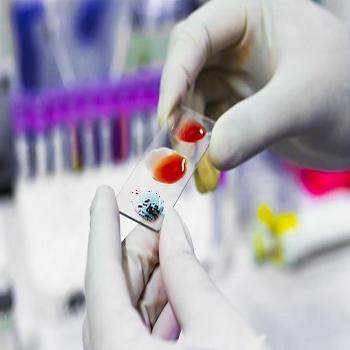
ABO Grouping and Rho(D) Typing

ABO Grouping and Rho(D) Typing

Wellness Testing

ABO Grouping and Rho(D) Typing are essential blood tests used primarily to determine a person’s blood type and Rh factor. These tests are crucial in various medical contexts, including prenatal care, transfusion medicine, and the assessment of potential hemolytic disease in newborns.

  • ABO Grouping:

    • Identifies the ABO blood group (A, B, AB, O) based on the presence or absence of specific antigens on the surface of red blood cells.
    • The most common blood type is O positive, where red blood cells lack ABO antigens but express the Rh antigen.
  • Rho(D) Typing:

    • Determines the presence of the Rho(D) antigen, which is vital for identifying Rh compatibility in pregnancy and transfusions.
    • Essential for evaluating candidates for Rh immune globulin administration to prevent Rh sensitization in Rh-negative individuals.
  • Clinical Applications:

    • Helps assess the risk of ABO hemolytic disease in newborns and fetuses.
    • Guides prenatal and postpartum care decisions, particularly for Rh-negative mothers.
    • Facilitates safe blood transfusions by ensuring compatibility.
  • Rubella Antibody Testing:

    • Indicates current or previous rubella infection or vaccination status.
    • Rubella IgG antibodies appear about four days after a rash and peak within one to two weeks, potentially lasting a lifetime.
    • Rubella IgM antibodies, indicating recent infection, are detectable for only up to three months.

These tests are integral to ensuring safe medical practices in maternal-fetal medicine, transfusion services, and infectious disease management.

Why would I need the ABO Grouping and Rho(D) Typing Test?
This test is recommended for several reasons: Blood transfusions: To ensure compatibility between donor and recipient blood types, preventing potentially dangerous reactions. Pregnancy: To determine the Rh status of an expectant mother. If the mother is Rh-negative and the fetus is Rh-positive, Rh incompatibility can occur, leading to complications. Knowing the blood type helps healthcare providers take preventive measures. Organ transplants: To ensure compatibility between donor and recipient. Pre-surgical testing: This is to have blood type information on hand in case of a blood transfusion during surgery. Routine medical information: To establish your blood type for emergency situations or future reference.