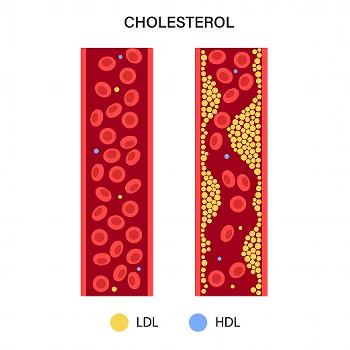
The Lipid/Cholesterol Panel measures various lipids in the blood, including total cholesterol, LDL (bad cholesterol), VLDL, HDL (good cholesterol), and triglycerides.
Key Measurements:
- Total Cholesterol: Overall cholesterol level.
- LDL: High levels increase cardiovascular risk.
- VLDL: Elevated levels may indicate lipid metabolism issues.
- HDL: Helps lower LDL; higher levels are better for heart health.
- Triglycerides: High levels are linked to cardiovascular disease.
Clinical Importance:
Elevated LDL and triglycerides can lead to atherosclerosis, increasing heart attack and stroke risk. Regular testing is essential for assessing cardiovascular health.
Common Names:
- Lipid profile
- Cholesterol panel
Recommendations:
Routine checks are advised, especially for those with risk factors like obesity or diabetes.
Follow-Up:
High lipid levels may require lifestyle changes or medication, with ongoing monitoring important for health management.
Why would I need the Lipid/Cholesterol Panel?
This test is recommended for several reasons:
Routine screening: It should be part of a regular health check-up, especially for adults over the age of 20, every 4-6 years, or more frequently, depending on your risk factors.
Cardiovascular risk assessment: To evaluate your risk for heart disease, stroke, or other cardiovascular conditions.
Monitoring: This is for individuals who have high cholesterol, heart disease, diabetes, or other conditions that increase cardiovascular risk. It helps monitor the effectiveness of lifestyle changes, medications, or other treatments.
Family history: If you have a family history of high cholesterol or heart disease, this test can help determine your risk and guide preventive care.
How do I prepare for the Lipid/Cholesterol Panel?
Fasting: 8–12 hours before the test (no food or drink other than water). This helps ensure the most accurate measurement of triglycerides and other lipid levels.
Hydration: Drinking water is encouraged before the test to help with the blood draw.
What do the results of the Lipid/Cholesterol Panel indicate?
The results are usually reported in milligrams per deciliter (mg/dL) and interpreted as follows:
Total Cholesterol:
Desirable: Less than 200 mg/dL
Borderline high: 200–239 mg/dL
High: 240 mg/dL or higher
LDL Cholesterol (Bad Cholesterol):
Optimal: Less than 100 mg/dL
Near optimal/above optimal: 100–129 mg/dL
Borderline high: 130–159 mg/dL
High: 160–189 mg/dL
Very high: 190 mg/dL or higher
HDL Cholesterol (Good Cholesterol):
Low (increased risk): Less than 40 mg/dL (men) or 50 mg/dL (women)
High (protective): 60 mg/dL or higher
Triglycerides:
Normal: Less than 150 mg/dL
Borderline high: 150–199 mg/dL
High: 200–499 mg/dL
Very high: 500 mg/dL or higher