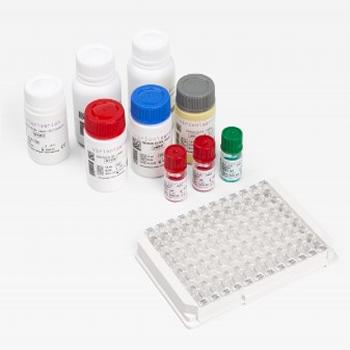
Why would I need the Chlamydia IgG/IgM (Blood) Test?
This test is recommended for several reasons:
Chronic symptoms: If you have ongoing pelvic pain, abdominal discomfort, or other signs of a chronic or untreated infection.
Infertility evaluation: For individuals experiencing difficulties with fertility, chronic chlamydia infections can cause complications like pelvic inflammatory disease (PID) and damage to reproductive organs.
Suspected past infection: If you have had potential exposure to chlamydia in the past or if a partner has tested positive, the test can help determine if you have previously been infected.
Monitoring treatment effectiveness: Check if antibodies persist after treatment, which may indicate whether the infection has fully resolved or is chronic.
What do the results of the Chlamydia IgG/IgM (Blood) Test indicate?
IgM positive and IgG negative: Indicates a recent or active chlamydia infection. IgM antibodies are produced early in the infection, suggesting they are still present.
IgM negative and IgG positive: Indicates a past infection. The presence of IgG antibodies suggests that you have been exposed to chlamydia in the past and your body has produced a longer-term immune response.
Both IgG and IgM positive Indicate that the infection is either recent or still active, with early and long-term antibodies.
Both IgG and IgM negative: It suggests that you have not been exposed to chlamydia or that it is too early in the infection for antibodies to be detectable.
What is the difference between HIV Ag/Ab with Reflex Test and HIV 4th Generation Blood Test?
The IgG/IgM Blood Test detects antibodies (past or recent infection), while the NAA Urine Test detects bacterial DNA (current infection) and screens for multiple STIs at once.