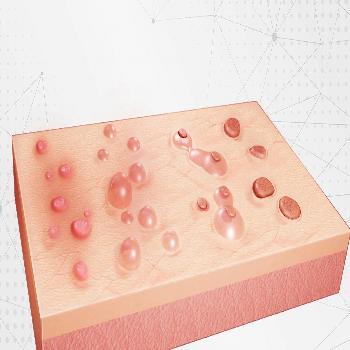
Herpes (HSV) Types 1 & 2 (Blood) Test

Herpes (HSV) Types 1 & 2 (Blood) Test

STD Testing

The Herpes (HSV) Types 1 & 2 (Blood) Test is designed to detect antibodies in the blood that indicate a past or current infection with the herpes simplex virus (HSV). This test can be conducted even when no sores are present, providing valuable information about an individual's herpes status. Understanding whether you have HSV-1 or HSV-2 is important for managing health and preventing transmission.

  • Test Purpose:
    To detect antibodies produced by the immune system in response to herpes simplex virus types 1 and 2. The test helps determine if an individual has been infected with HSV at some point in their life.

  • Types of Herpes Simplex Virus:

    • HSV-1:

      • Commonly Causes: Oral herpes, resulting in cold sores or fever blisters on or around the mouth.
      • Transmission: Typically spread through non-sexual contact with saliva, such as sharing utensils or towels. It can also be transmitted through oral sex, leading to genital herpes.
      • Prevalence: Many people are infected with HSV-1 by young adulthood, often without symptoms.
    • HSV-2:

      • Commonly Causes: Genital herpes, a sexually transmitted disease (STD).
      • Transmission: Spread through sexual contact with an infected person, often without any visible symptoms. HSV-2 can also be transmitted to the mouth through oral sex, causing oral herpes.
      • Prevalence: More commonly associated with genital infections.
  • Testing Method:

    • Sample Type: A blood sample is collected to test for HSV antibodies.
    • Indication of Infection: The presence of antibodies suggests a past or current infection, allowing for better understanding and management of the condition.
  • Benefits of Testing:

    • Asymptomatic Detection: The test can identify HSV infections even when no visible sores are present, which is crucial since many individuals may not show symptoms.
    • Informed Decisions: Knowing your HSV status can help in making informed choices regarding sexual health and relationships, including discussions with partners about risk and prevention.
  • Recommendations:

    • Individuals with a history of cold sores, genital sores, or those who are sexually active should consider testing for HSV.
    • If you suspect exposure to HSV or have concerns about symptoms, consult a healthcare provider for further evaluation and testing.

The Herpes (HSV) Types 1 & 2 (Blood) Test is an essential tool for anyone seeking clarity about their herpes status and understanding the implications for their health and relationships. 

Why would I need the Herpes (HSV) Types 1 & 2 (Blood) Test?
This test is recommended for several reasons: Symptom evaluation: If you have symptoms such as blisters, sores, itching, or burning in the genital or oral area, the test can help determine if HSV is the cause. Screening: If you are sexually active, particularly if you have multiple partners or engage in unprotected sex, you may choose to get tested even if you do not have symptoms. Partner exposure: If your partner has tested positive for HSV-1 or HSV-2, this test can help determine your status. Pregnancy: Pregnant individuals may be tested to minimize the risk of transmission to the baby during childbirth. Monitoring existing infection: If you have previously tested positive for HSV, this test can help monitor your antibody levels.
What do the results of the Herpes (HSV) Types 1 & 2 (Blood) Test indicate?
Negative result: No detectable HSV-1 or HSV-2 antibodies were found, suggesting you have not been exposed to either type of the virus. However, if you were recently exposed, there may be a window period where antibodies are not yet detectable. In such cases, a follow-up test may be necessary. Positive result: HSV-1 Positive: Indicates past or current infection with HSV-1, which may cause cold sores (oral herpes) or genital herpes. HSV-2 Positive: Indicates past or current infection with HSV-2, which is more commonly associated with genital herpes. Both HSV-1 and HSV-2 Positive: Indicates exposure to both viruses, which means you may have had infections in either or both areas (oral and genital).