Test Purpose:
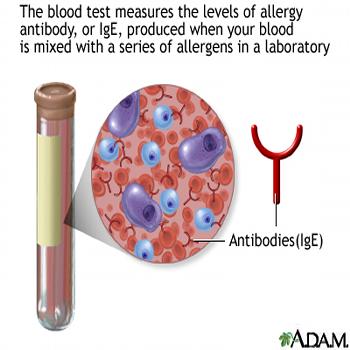
To identify allergic sensitivities by measuring IgE antibody levels in the blood against various food allergens.
Included Food Allergens:
- Almond
- Cashew Nut
- Codfish
- Cow's Milk
- Egg White
- Hazelnut
- Peanut
- Salmon
- Scallop
- Sesame Seed
- Shrimp
- Soybean
- Tuna
- Walnut
- Wheat
Methodology:
A blood sample is analyzed for IgE antibodies specific to the listed food allergens. Elevated IgE levels may indicate an allergy.
Component Testing:
If abnormal levels of IgE antibodies to peanuts, milk, or eggs are detected, additional component panels will be performed on the same sample to provide detailed protein information.
Importance of Results:
Elevated IgE levels suggest an overreaction of the immune system to specific foods, which can lead to allergic reactions, including histamine release.
Common Food Allergens:
This panel targets foods known to cause serious allergic reactions, including milk, eggs, fish, shellfish, peanuts, tree nuts, sesame seeds, soybeans, and wheat.
Next Steps:
Results should be reviewed with a healthcare provider or allergist to interpret findings and develop appropriate dietary strategies.
This Complete Food Allergy Panel is vital for anyone experiencing potential food allergies, enabling informed decisions and enhancing safety in dietary choices.
Why would I need a Complete Food Allergy Panel?
This test is recommended if you experience symptoms that could be related to food allergies, such as:
Skin reactions: Hives, eczema, swelling, or itching.
Gastrointestinal symptoms: Nausea, vomiting, diarrhea, abdominal pain, or cramping.
Respiratory issues: Wheezing, coughing, nasal congestion, or shortness of breath.
Anaphylaxis: Severe, potentially life-threatening reactions involving difficulty breathing, throat swelling, or a drop in blood pressure.
Chronic symptoms: These may include recurrent migraines, digestive issues, or skin problems that may be linked to specific foods.
Evaluation for multiple food allergies: If you have experienced allergic reactions but are unsure which foods are causing them, this test provides a broad assessment.
Family history: If you have a family history of food allergies, testing can help identify if you are also at risk.
What happens if my test results indicate multiple food allergies?
If the test results show elevated levels of IgE antibodies to multiple foods:
Dietary modifications: Avoid the foods you test positive for. You may need to read food labels carefully and be cautious with cross-contamination in food preparation.
Further testing: Additional tests, such as an oral food challenge or a skin prick test, may be conducted to confirm specific allergies and assess the severity of the reactions.
Consultation with an allergist: You may be referred to an allergist for specialized care and ongoing monitoring of your food allergies.
Emergency action plan: If you are at risk for severe reactions, consider carrying an epinephrine auto-injector (EpiPen) in case of accidental exposure.