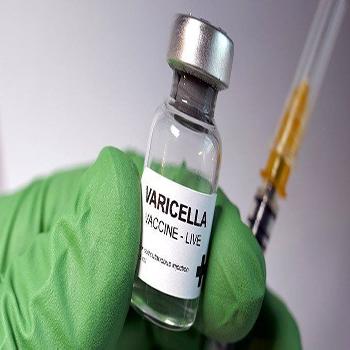
Recommendations from the CDC for Varicella Vaccination:
Routine Childhood Vaccination:
- The first dose of the varicella vaccine is recommended for children at age 12-15 months.
- A second dose is recommended at age 4-6 years.
Vaccination for Adolescents and Adults:
- Teens and adults who have never had chickenpox or have not been vaccinated should receive two doses of the varicella vaccine, with the doses given at least 28 days apart.
Special Populations:
- Healthcare Workers: Should have evidence of immunity to varicella.
- Pregnant Women: Women should be vaccinated with the varicella vaccine at least one month before becoming pregnant, as it is contraindicated during pregnancy.
- Individuals with Certain Conditions: Those with compromised immune systems should consult healthcare providers regarding vaccination.
Boosters:
- There is no routine booster recommended after the second dose for most individuals, but healthcare providers may advise based on specific circumstances.
Post-Exposure Prophylaxis:
- If someone is exposed to chickenpox and is not immune, they may be given the varicella vaccine within 3 to 5 days of exposure to help prevent the disease.
Important Considerations:
- The varicella vaccine is administered as a subcutaneous injection.
- Common side effects may include mild rash, fever, and soreness at the injection site. Serious side effects are rare.
- Vaccination greatly reduces the risk of severe complications associated with chickenpox, such as bacterial infections, pneumonia, and hospitalization.
The Varicella Vaccination is an essential preventive measure to protect against chickenpox, promoting both individual health and public safety by reducing the incidence of this contagious disease.
Why do I need the Varicella Vaccine?
The Varicella Vaccine is important for:
Preventing chickenpox: Chickenpox is a contagious disease that causes an itchy rash, fever, and fatigue. It can lead to serious complications, such as skin infections, pneumonia, and encephalitis, particularly in adults, pregnant women, and immunocompromised individuals.
Reducing complications: Vaccinated individuals contracting chickenpox generally experience a milder form of the disease with fewer lesions and lower fever.
Preventing shingles: By reducing the risk of chickenpox, the vaccine also helps lower the risk of developing shingles later in life, as the varicella-zoster virus can remain dormant in the body and reactivate.
School and workplace requirements: Many schools, childcare centers, and healthcare facilities require proof of immunity to chickenpox, and vaccination is often necessary for compliance.
Protecting vulnerable populations: The vaccine helps protect those who cannot be vaccinated, such as newborns or immunocompromised individuals, through community immunity (herd immunity).
Who should receive the Varicella Vaccine?
The Varicella Vaccine is recommended for:
Children: The CDC recommends two doses:
First dose: At 12–15 months of age.
Second dose: At 4–6 years of age.
Unvaccinated adolescents and adults: Individuals without evidence of immunity who have not previously had chickenpox or the vaccine should receive two doses at least 4 weeks apart.
High-risk individuals: Healthcare workers, teachers, childcare staff, and anyone living or working in environments where chickenpox exposure is more likely.
Women of childbearing age: Women who are not immune to chickenpox should be vaccinated before becoming pregnant to prevent congenital varicella syndrome, which can cause severe birth defects.
Pregnant women and severely immunocompromised individuals should not receive the live varicella vaccine. They should consult their healthcare provider for alternative preventive measures.