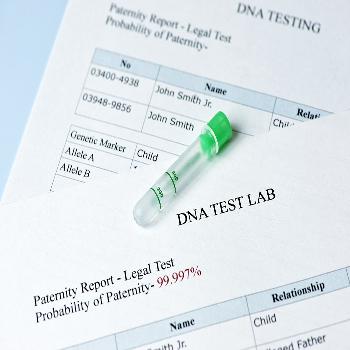
The viability of a Legal DNA Test in legal proceedings hinges on the proper collection of DNA samples. If the collection process is not verified or conducted correctly, the test results may be deemed legally void.
To ensure the integrity and legality of the test, a neutral third party, referred to as the “Sampler,” is responsible for collecting the DNA samples. The Sampler can be a nurse, doctor, or other qualified medical professional trained in sample collection. They will document the collection process and certify the integrity of the samples, ensuring that the test results are valid for legal purposes.
Why would I need this test?
A Legal DNA Test is required when the results need to be admissible in court or for official legal matters. This includes situations like child support and custody cases, inheritance disputes, immigration applications, or adoption proceedings. The test provides legally recognized proof of biological relationships between individuals.
Will over-the-counter or prescription medications affect the test results?
No, over-the-counter or prescription medications will not affect the results of a DNA test. DNA testing analyzes your genetic material, which remains unchanged by medications, foods, or most environmental factors.
Do I need to prepare for the test?
No special preparation is needed for a Legal DNA Test. You do not need to fast or avoid any substances before the sample collection. However, to ensure a clean sample, it's recommended to avoid eating, drinking, smoking, or chewing gum for at least one hour before the test if a cheek swab is being used.
How is the sample collected for the test?
The test typically involves collecting a buccal (cheek) swab from each participant. A trained professional will gently rub a sterile swab inside the cheek to collect cells containing DNA. For a Legal DNA Test, strict chain-of-custody procedures are followed: the identities of all participants are verified through government-issued photo IDs, and the sample collection is witnessed and documented to ensure the results are legally admissible.
What is the difference between a Legal DNA Test and a Non-Legal DNA Test?
The main difference lies in the documentation and procedures. A Legal DNA Test follows strict chain-of-custody protocols, including verified identification and documented sample handling, making the results admissible in legal proceedings. A Non-Legal DNA Test, while providing the same accuracy, does not follow these protocols and is intended for personal knowledge only.